TL;DR
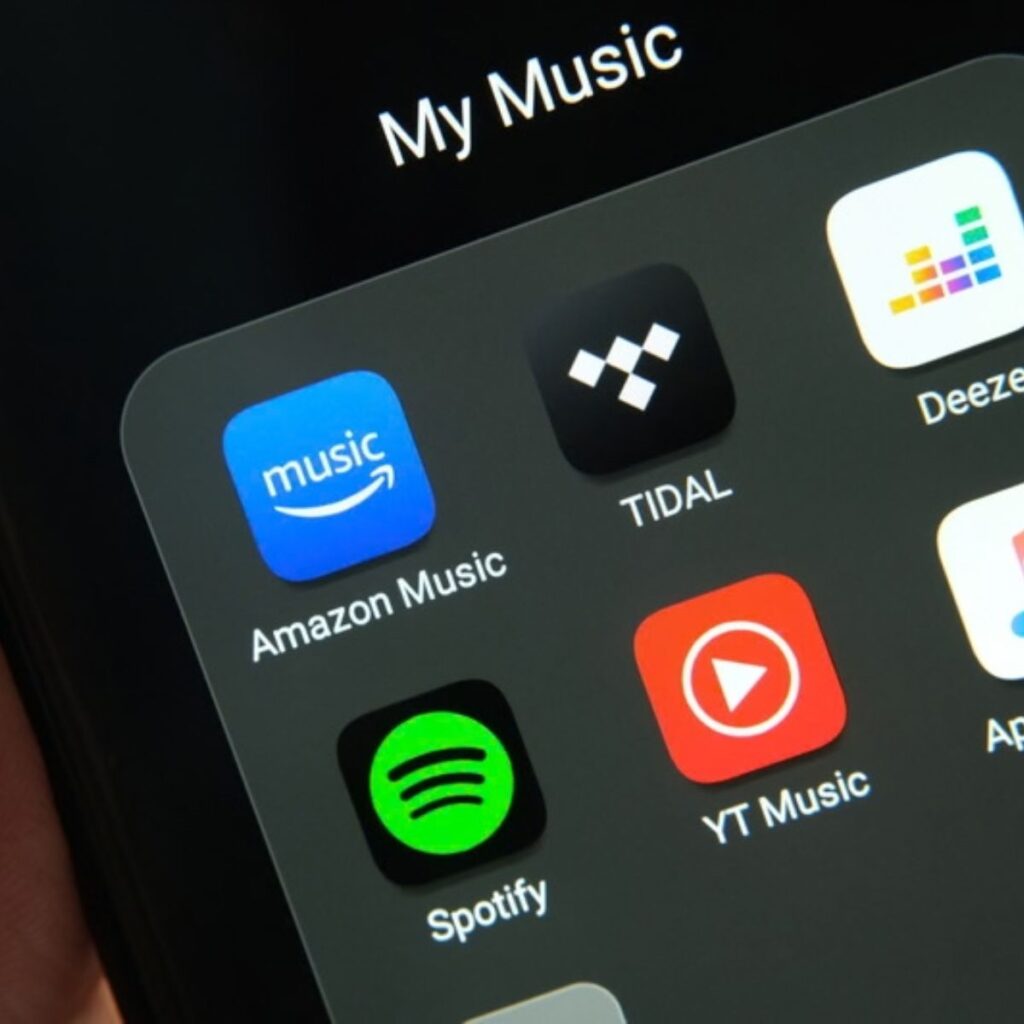
Here’s the one question that business owners often ask: is it legal to play Spotify in restaurants? Many restaurant owners assume that playing music from streaming services like Spotify, Apple Music, or YouTube in their venue is legal. However, most consumer streaming platforms are not licensed for commercial use in businesses.
Spotify itself states in its Terms of Use that the service is intended only for personal listening:
“The Spotify Service and the Content are the property of Spotify or Spotify’s licensors. We grant you limited, non-exclusive permission to make personal, non-commercial use of the Spotify Service.”
Because restaurants are commercial environments, playing music from a personal Spotify account may violate both copyright law and Spotify’s terms of service.
Understanding the legal rules around music licensing is essential. Restaurants must obtain the appropriate licenses from performance rights organizations or use music that is licensed specifically for commercial environments.
So let’s explain whether it is legal to play Spotify in restaurants, what the licensing rules are, and what the best legal options are for hospitality venues.

Is It Legal to Play Spotify in Restaurants?
The short answer is no. In most cases, it is not legal to play Spotify in restaurants using a personal account.
Spotify, Apple Music, and similar streaming platforms are designed for personal listening only. Their terms of service generally prohibit playing music in commercial environments such as:
• restaurants
• bars
• cafés
• hotels
• retail stores
• gyms
This means restaurants that play music through personal streaming accounts may be violating both copyright law and platform terms of service.
Why Spotify Is Not Licensed for Commercial Use
Streaming services operate under licensing agreements intended for private listening. These licenses typically cover individual users but do not extend to public performance.
When music is played in a restaurant or bar, it is legally considered a public performance.
Public performance rights are usually managed by organizations such as:
• ASCAP
• BMI
• SESAC
• PRS for Music
• SOCAN
• PPL and IPRS in India
These organizations ensure that artists and rights holders are compensated when their music is played in public spaces.
Because consumer streaming services do not include these licenses for business use, playing Spotify in restaurants can create legal and financial risks.
What Is Public Performance Licensing?
Public performance licensing allows businesses to legally play copyrighted music in a commercial environment.
Restaurants that want to use popular commercial music typically need licenses that cover:
• composers and songwriters
• music publishers
• recording rights holders
These licenses are usually obtained through performance rights organizations (PROs).
For example, restaurants in the United States may need licenses from ASCAP and BMI, while businesses in India often work with PPL and IPRS.
According to the International Federation of the Phonographic Industry, licensing ensures that creators receive fair compensation when their music is played publicly.
Why Restaurants Should Take Music Licensing Seriously
Many restaurant owners assume enforcement is rare, but performance rights organizations regularly audit businesses.
Restaurants found using music without proper licensing may face:
• fines
• retroactive licensing fees
• legal notices
• reputational risks
For multi-location hospitality brands, non-compliance can become particularly costly.
Understanding whether it is legal to play Spotify in restaurants is therefore important for avoiding unnecessary legal exposure.
Legal Ways Restaurants Can Play Music
Fortunately, there are several legal ways for restaurants to play music.
1. Obtain Performance Licenses
Understanding whether it is legal to play Spotify in restaurants requires understanding how public performance licensing works. Restaurants can obtain licenses from performance rights organizations.
These licenses allow venues to play copyrighted music legally through approved sources.
However, depending on the country, restaurants may need multiple licenses covering different rights holders.
2. Use Commercial Music Services
Some platforms provide music specifically licensed for business use.
These services often include:
• licensing coverage
• curated playlists
• scheduling tools
• centralized control across locations
Commercial music platforms simplify compliance for hospitality businesses.
3. Use Royalty-Free or Direct-Licensed Music
Another option is to use royalty-free music licensed for commercial use.
This music is often created specifically for environments like:
• restaurants
• hotels
• spas
• retail stores
Because licensing is bundled with the service, businesses avoid dealing with multiple licensing organizations.
The Difference Between Personal and Commercial Music Use
Understanding the difference between personal and commercial use is crucial.
Personal Use
Music played in private environments such as:
• homes
• personal headphones
• private events
Streaming platforms like Spotify are designed for this type of listening.
Commercial Use
Music played in environments where customers are present, such as:
• restaurants
• bars
• cafés
• retail stores
This type of usage typically requires public performance licensing.
Why Music Strategy Matters for Restaurants
Beyond legality, music plays an important role in shaping the dining experience.
Restaurants that invest in professional music strategies often see improvements in:
• guest satisfaction
• dwell time
• brand perception
• repeat visits
If you’re exploring how music can shape the atmosphere of your venue, see our guide on how to choose background music for restaurants.
You can also explore our article on background music genres for bars and restaurants to discover which styles are currently popular in hospitality environments.
Common Restaurant Music Mistakes
A common misconception among restaurant owners is believing it is legal to play Spotify in restaurants using a personal streaming account. Many venues unintentionally create compliance risks as a result.
Common mistakes include:
• using personal Spotify accounts for commercial spaces
• assuming small venues are exempt from licensing rules
• playing music through staff personal playlists
• ignoring licensing obligations
A structured music solution helps businesses avoid these issues while maintaining a consistent guest experience.
Conclusion
Playing music in restaurants may seem simple, but copyright law makes it more complex than many hospitality operators expect.
In most cases, it is not legal to play Spotify in restaurants using a personal account, because consumer streaming services are licensed only for private listening.
Restaurants that want to play music legally should either obtain performance licenses or use music services specifically designed for commercial environments.
By understanding music licensing requirements, hospitality businesses can create great atmospheres while staying fully compliant with copyright law.
FAQs
Can restaurants legally play Spotify?
No. Personal Spotify accounts are intended for private listening and are generally not licensed for public performance in commercial environments like restaurants.
What music services can restaurants legally use?
Restaurants can use commercial music services designed for business environments or obtain the necessary performance licenses from rights organizations.
Do small restaurants need music licenses?
Yes. Even small restaurants must obtain appropriate licenses if they play copyrighted music in a public environment.
What happens if a restaurant plays music without a license?
Businesses may face fines, retroactive licensing fees, or legal notices from performance rights organizations.