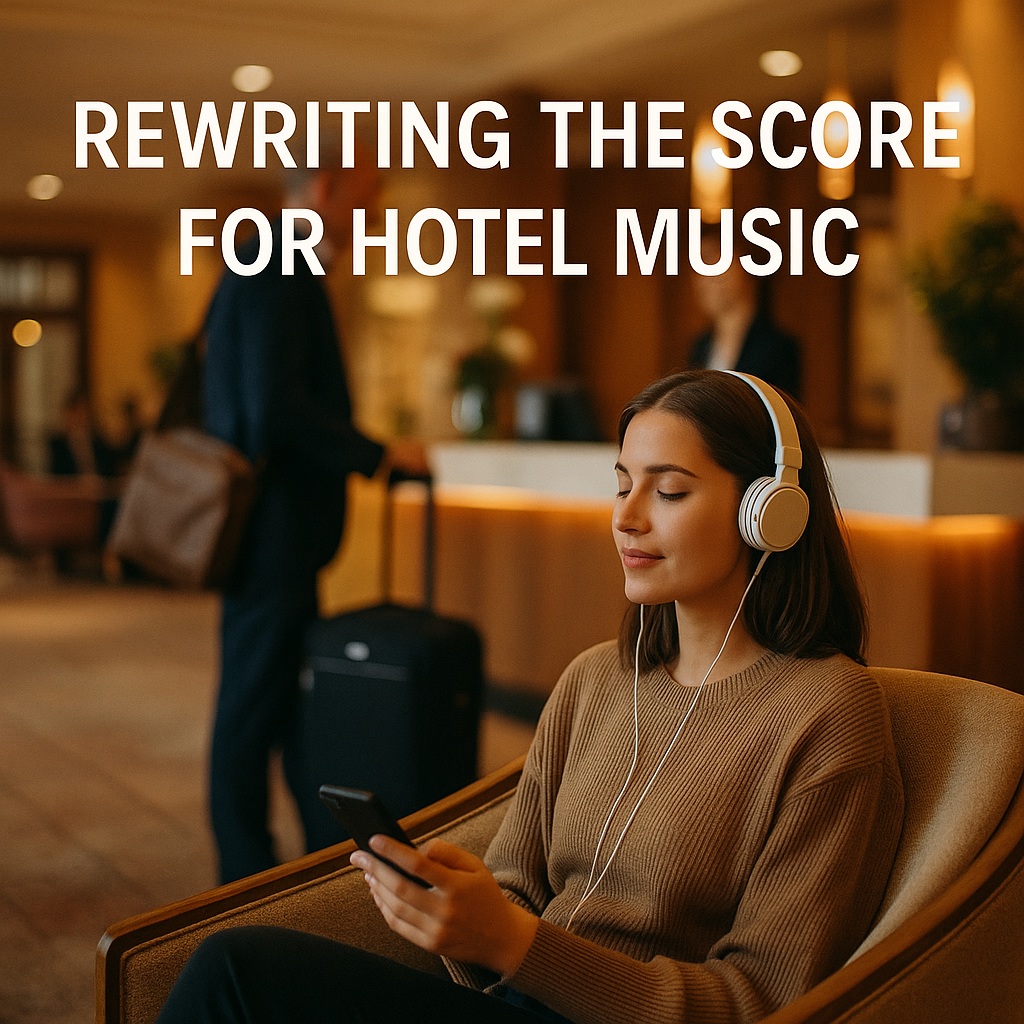
Let’s face it! Spa music has overstayed its welcome in hotel lobbies. Sure, it’s calm. Peaceful. Familiar. But it’s also predictable, and often forgettable. Today’s hotel guests expect more than just background noise. They want to feel something. They want an atmosphere that matches the personality of your hotel and makes them feel instantly welcome.
Music should engage and excite guests
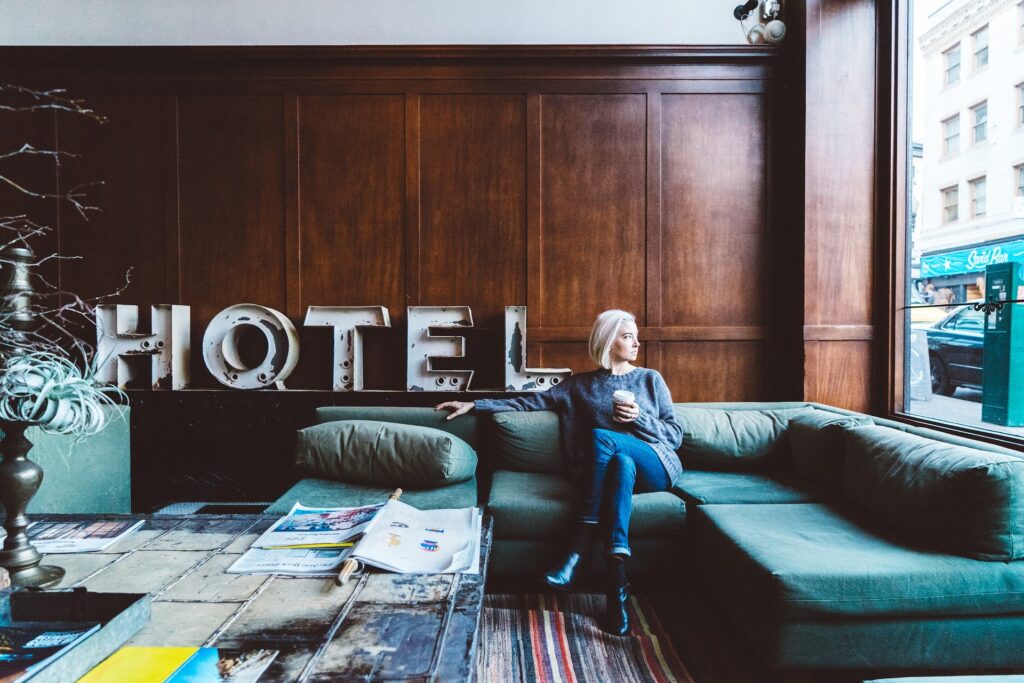
Hotel lobby music does far more than fill silence. It shapes first impressions, influences how guests feel when they walk in, and quietly communicates what your hotel stands for. Yet many hotels still rely on generic spa tracks or forgettable elevator-style playlists that do little to support the guest experience.
That is a missed opportunity.
Today’s guests are more design-aware, experience-driven, and emotionally responsive than ever. They notice how a space feels, even if they cannot always explain why. And a big part of that feeling comes from sound. The right hotel lobby music can make a lobby feel warm, stylish, calm, refined, vibrant, or premium. The wrong music can make the same space feel flat, sleepy, impersonal, or disconnected from the brand.
If your hotel lobby is meant to welcome, reassure, and impress, then the soundtrack in that space should be working just as hard as your interiors, lighting, scent, and service.
TL;DR
- Hotel lobby music plays a major role in guest perception and atmosphere.
- Generic spa music is often too sleepy or predictable for modern hotel lobbies.
- The best hotel music matches your brand, guest profile, and time of day.
- A strong music strategy can support sensory branding and improve the guest experience.
- Dayparting helps your music feel fresh and appropriate from morning to late night.
- Customized, professionally curated playlists usually work better than generic preset channels.
Why Generic Hotel Lobby Music No Longer Works
For years, many hotels defaulted to soft instrumental music, generic piano, or spa-style ambient tracks in the lobby. While these choices may sound harmless, they often create an atmosphere that feels dated, interchangeable, and emotionally blank.
That kind of hotel lobby music may be calm, but calm alone is not enough. A hotel lobby is not a treatment room. It is a dynamic, multi-use environment where guests arrive, check in, wait, meet, work, pass through, and form their earliest impressions of the property. The music in that space needs to support those moments.
When hotel lobby music is too slow, too sleepy, or too anonymous, it can make the space feel lifeless. It may even create a subtle mismatch between your physical environment and the mood you want guests to experience. A stylish lobby with poor music feels incomplete. A warm, service-focused arrival experience with emotionally flat music loses impact.
Modern hospitality calls for more thoughtful sound.
Music and the Guest Experience
Music influences mood almost instantly. Within moments of entering a space, guests begin forming impressions based on sensory cues. Visual design matters, of course, but sound is one of the fastest ways to shape emotional response.
The right hotel lobby music can help guests feel:
- welcomed after a long journey
- relaxed without feeling drowsy
- reassured that they are in a professional, well-managed environment
- connected to the personality of the hotel
- comfortable spending more time in public spaces
This matters because the lobby is not just a transit zone. It is often the emotional front door of the property. Guests may remember the check-in, the scent, the lighting, the smile at reception, and the overall feeling of arrival. Hotel lobby music becomes part of that memory.
That is why leading hospitality brands increasingly treat music as part of a broader sensory branding strategy. Instead of viewing music as an afterthought, they use hotel lobby music to reinforce identity, create consistency, and elevate the atmosphere.
What Good Lobby Music Should Actually Sound Like
There is no single playlist that works for every hotel. The best hotel lobby music depends on your brand, your audience, your design language, and the role your lobby plays within the property.
A modern business hotel may benefit from clean, refined hotel lobby music with low-key electronic textures, contemporary lounge influences, or polished instrumental grooves. A resort may need brighter, more open, more relaxed sounds with acoustic warmth and soft global influences. A boutique hotel may prefer music with character, depth, and a slightly more curated edge. A heritage property may suit contemporary jazz, elegant soul, or understated world music.
The point is not to chase trends blindly. The point is to choose hotel lobby music that feels true to your space.
Your Music Should Match the Brand Personality
Think about how you want guests to describe your hotel in a sentence. Stylish? Serene? Lively? Warm? Sophisticated? Youthful? Quietly luxurious?
Your hotel lobby music should support that identity.
If the interiors are sleek and contemporary, the soundtrack should not feel generic or dated. If the property is family-friendly and welcoming, the music should not feel cold or overly formal. If the hotel aims for understated luxury, the music should sound intentional and polished rather than obvious or overdramatic.
Your Music Should Match the Energy of the Space
Every lobby has its own rhythm. Some are active and social. Some are calm and intimate. Some operate almost like living rooms. Others function as transit spaces with continuous movement.
The music should align with that rhythm. It should feel present without becoming intrusive. It should shape the mood without demanding attention. It should support the space rather than compete with it.
That balance is what separates good hotel lobby music from random background sound.
Focussing on Time of Day
One of the most effective ways to improve hotel lobby music is through dayparting. This simply means adjusting the music to match the changing mood and function of the lobby across the day.
A lobby does not feel the same at 8 AM as it does at 8 PM, so the soundtrack should not remain static either.
Morning \Music
Morning hotel lobby music should feel light, fresh, and gently uplifting. Guests may be heading to breakfast, preparing for meetings, or easing into the day. Music at this time should help create clarity and calm without feeling slow or heavy.
Think in terms of soft optimism, subtle rhythm, and clean textures.
Afternoon Music
Afternoon hotel lobby music can carry a little more movement and brightness. This is often a time when public areas feel active, social, and functional. Guests may be checking in, meeting colleagues, having coffee, or moving between spaces.
The music can be slightly more rhythmic here, while still remaining polished and appropriate.
Evening Music
Evening hotel lobby music should feel smoother, warmer, and more atmospheric. This is when the lobby may shift toward conversation, casual meetings, pre-dinner relaxation, or a more elevated social mood.
This is often the ideal window for stylish lounge, soft electronic textures, contemporary jazz influences, and refined downtempo selections.
Late-Night Music
Late-night hotel lobby music should become softer, more spacious, and more restrained. At this stage, the goal is to create calm and comfort without making the lobby feel empty or emotionally flat.
Subtle ambient textures, sparse arrangements, and low-energy selections usually work well here.
Why Customized Hotel Lobby Music Works Better Than Preset Channels
Many hotels still rely on generic music channels or one-size-fits-all background music services. The problem is that preset channels are rarely designed around your brand, guest profile, or spatial experience.
They may be convenient, but convenience is not the same as effectiveness.
Generic channels often create three common problems:
- They sound interchangeable with retail, offices, or other public spaces.
- They do not adapt well to different times of day.
- They fail to reflect the unique identity of your hotel.
Thoughtful hotel lobby music should feel curated, not copied. It should sound like it belongs to your property, not just any commercial environment.
That is why many hospitality brands are moving toward customized music strategies. A curated approach allows hotel lobby music to align with the guest journey, the property’s positioning, and the emotional tone you want to create.
How to Build a Better Hotel Lobby Music Strategy
Creating better hotel lobby music does not have to be complicated, but it does need intention. A few smart decisions can dramatically improve how your space feels.
1. Understand who your guests are
Start with the people you serve. Are your guests business travelers, couples, families, international visitors, wellness-focused guests, or a blend of different segments? The right hotel lobby music for one audience may feel wrong for another.
2. Define the atmosphere clearly
Before choosing genres, define the feeling. Do you want the lobby to feel calming, premium, youthful, stylish, elegant, or warm? A clear emotional brief makes hotel lobby music decisions much easier.
3. Think beyond one playlist
A single all-day playlist usually leads to a flat experience. Better hotel lobby music is modular. It changes with the flow of the day, the traffic in the space, and the mood you want to support.
4. Consider adjacent spaces
The lobby does not exist in isolation. Guests move between the reception area, lounge, restaurant, café, spa, business center, elevators, and bar. Your hotel lobby music should sit comfortably within that broader sonic environment.
5. Work with specialists when needed
Music may seem simple, but curating effective hotel lobby music requires a real understanding of mood, behavior, brand alignment, pacing, and consistency. Partnering with professionals can help you avoid guesswork and build a more distinctive experience.
Common Hotel Lobby Music Mistakes to Avoid
Even well-designed hotels sometimes get the soundtrack wrong. Here are a few mistakes that reduce the effectiveness of hotel lobby music:
Choosing music that is too sleepy
Calm does not have to mean dull. If hotel lobby music feels overly sedated, it can make the entire space feel tired.
Using playlists that are too generic
If your hotel lobby music sounds like it could belong in any mall, office, or waiting room, it is not doing enough for your brand.
Ignoring the time of day
Music that works beautifully in the evening may feel too heavy in the morning. Static programming weakens the guest experience.
Forgetting brand alignment
A luxury boutique property and a family resort should not sound the same. Hotel lobby music should reinforce differentiation, not erase it.
Treating music as background filler
The moment music is treated as an afterthought, its strategic value is lost. Hotel lobby music is part of the guest experience, not separate from it.
Hotel Lobby Music Is Part of Sensory Branding
Hospitality is built on details. Guests may not consciously analyze every element of their experience, but they absolutely feel whether those elements work together.
That is why hotel lobby music should be viewed as part of sensory branding. Just as lighting, scent, interior design, and service style influence perception, sound helps define how a property feels in real time.
Strong hotel lobby music can help a hotel feel:
- more premium
- more intentional
- more welcoming
- more contemporary
- more emotionally memorable
When the music fits, the entire arrival experience becomes more seamless.
The Best Hotel Lobby Music Creates a Quiet Advantage
Great hotel lobby music does not shout for attention. It works subtly. It helps guests transition from the outside world into your space. It supports comfort, mood, and perception without ever becoming the center of attention.
That quiet impact is exactly what makes it powerful.
Guests may not comment directly on the soundtrack, but they will feel the difference between a lobby that sounds considered and one that sounds generic. They will sense whether the environment feels polished, warm, modern, or disconnected. And those impressions matter.
In hospitality, atmosphere is never accidental. The best hotel lobby music helps turn arrival into experience.
Let’s Create Better Hotel Lobby Music for Your Property
At Alenka, we believe hotel lobby music should never be generic. It should reflect your brand, your guests, and the emotional tone you want your property to create from the very first moment of arrival.
Whether you run a boutique hotel, business hotel, luxury resort, or lifestyle property, the right hotel lobby music can help you build a stronger atmosphere and a more memorable guest experience.
If your current soundtrack feels too predictable, too sleepy, or simply not aligned with your brand, it may be time for a better approach.
FAQ: Hotel Lobby Music
What is the best hotel lobby music for guest experience?
The best hotel lobby music is music that matches your hotel’s brand, guest profile, and time of day. It should feel welcoming, polished, and emotionally aligned with the space rather than generic or distracting.
Why is hotel lobby music important?
Hotel lobby music is important because it shapes first impressions, supports sensory branding, and influences how guests feel when they enter the property. It helps define atmosphere in a subtle but powerful way.
Should hotels use spa music in the lobby?
Spa music can work in some wellness-focused environments, but it is often too sleepy or too predictable for a hotel lobby. In most cases, better hotel lobby music is more tailored to the function and energy of the space.
How often should hotel lobby music change?
Hotel lobby music should ideally change throughout the day. Morning, afternoon, evening, and late-night moods are different, so dayparting helps keep the atmosphere more natural and effective.
Can hotel lobby music reflect brand identity?
Yes. Hotel lobby music is one of the most effective tools for reinforcing brand personality. It can make a property feel more contemporary, premium, warm, youthful, elegant, or relaxed depending on how it is curated.
Is customized hotel lobby music better than generic playlists?
In most cases, yes. Customized hotel lobby music is usually better because it reflects your specific space, audience, and brand positioning. Generic playlists may be convenient, but they rarely create a distinctive hospitality experience.